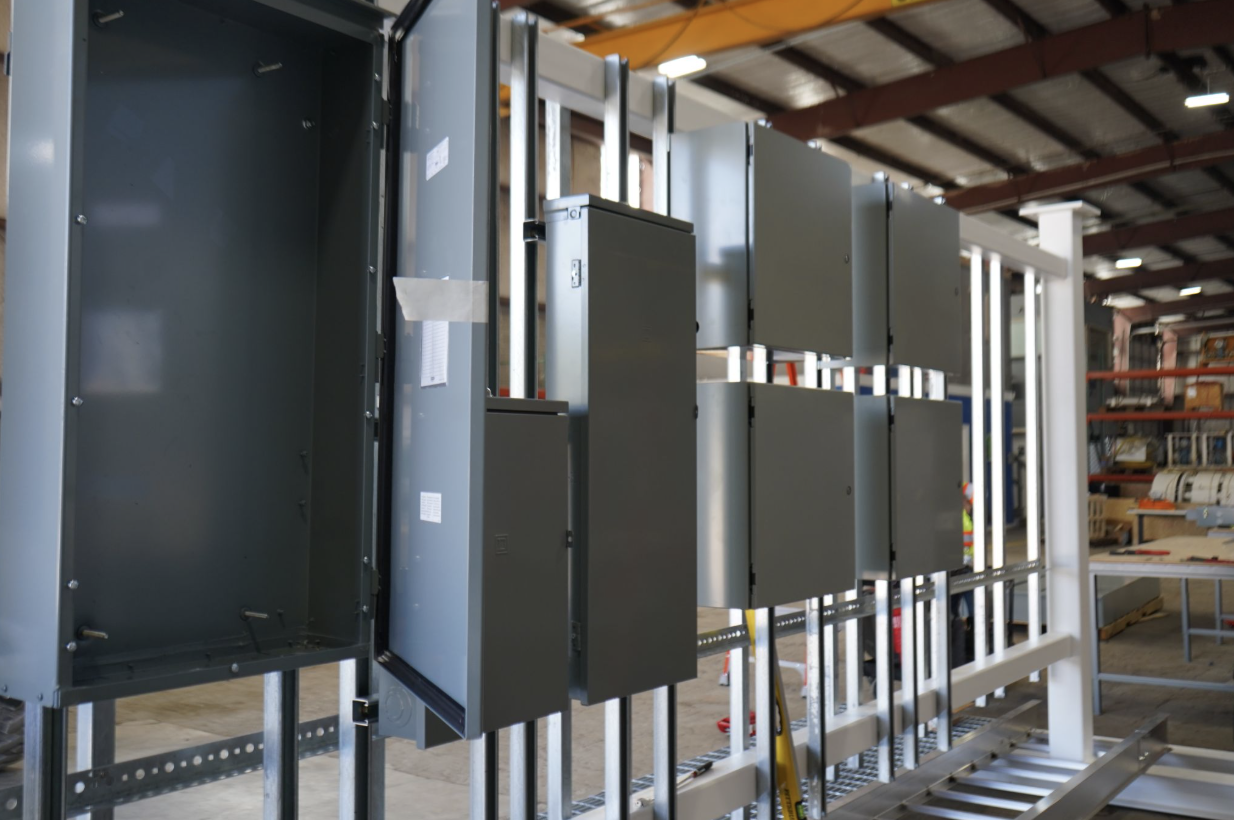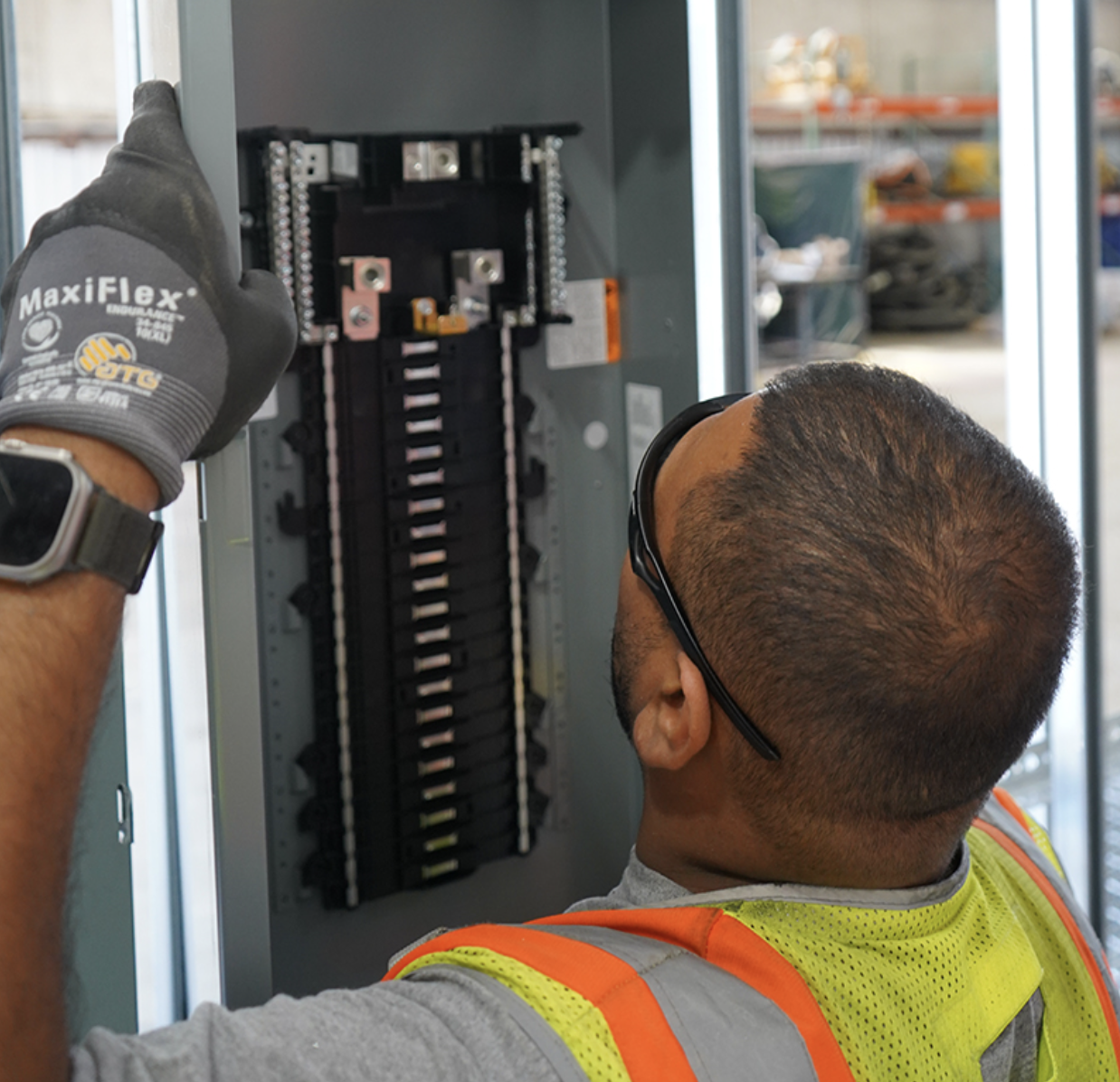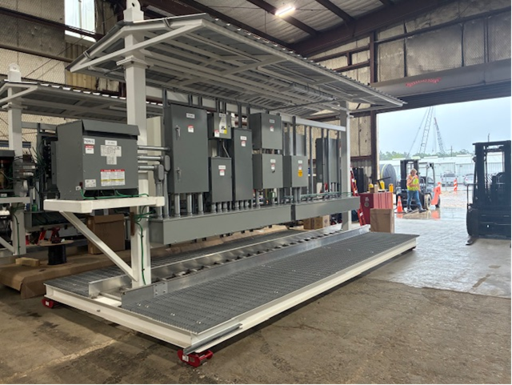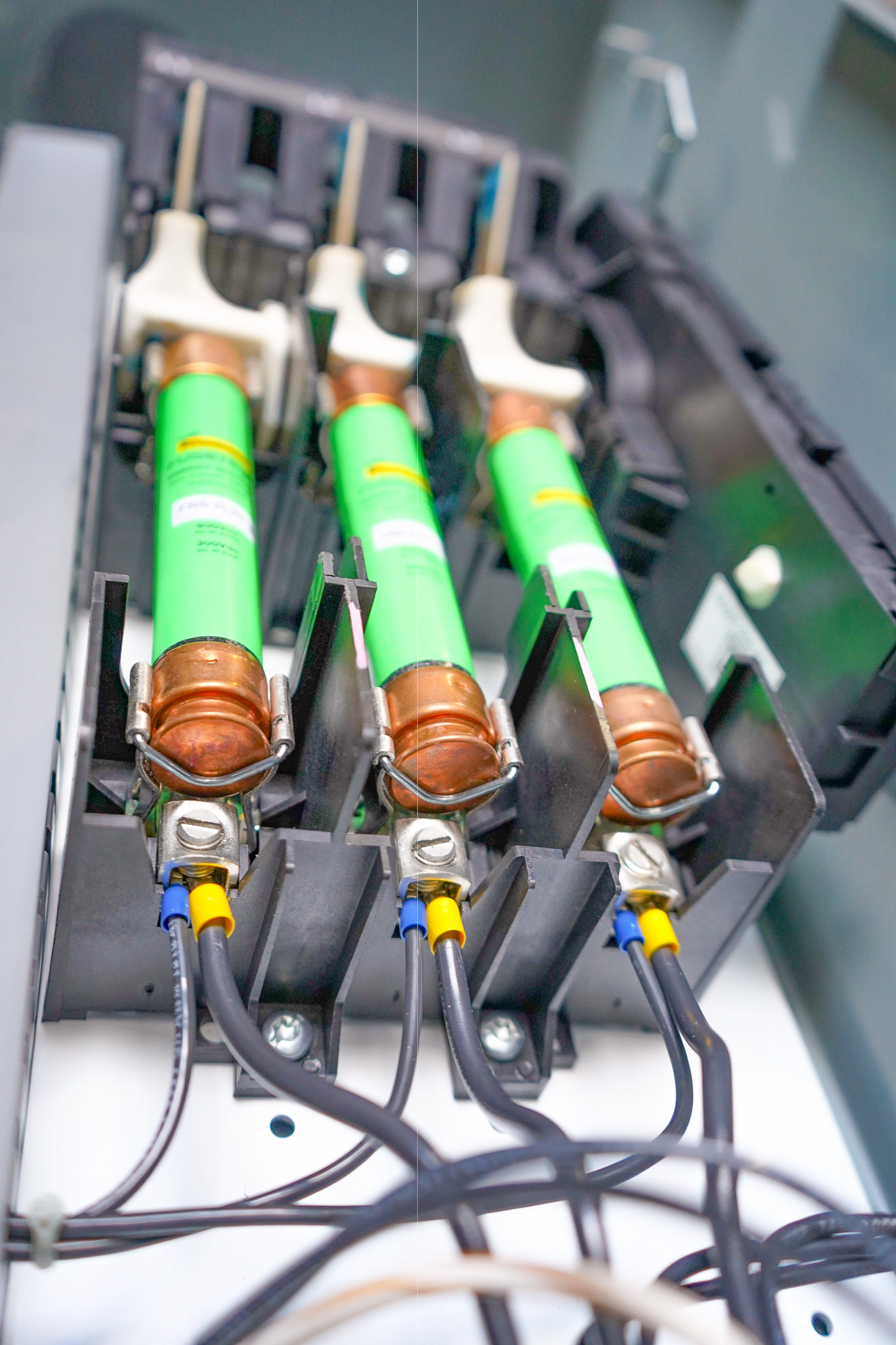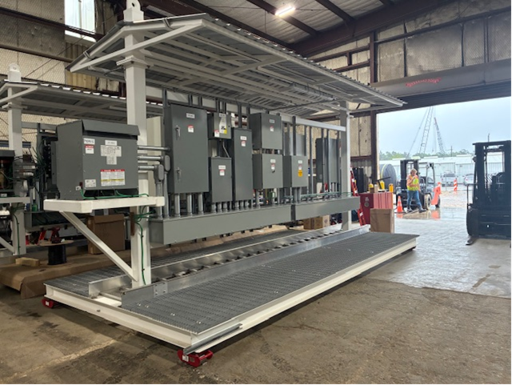
Well Pad Switch Racks
West Texas
Challenge
Scaling Operations in a High-Output Frontier
The West Texas Permian Basin is one of the most productive oil fields in the world, requiring rapid and reliable infrastructure to support massive output. For operators managing multi-well pads (typically 6–8 wells), the primary challenges include:
Deployment Complexity: Coordinating disparate electrical, communication, and control systems across multiple wellheads is traditionally time-consuming and prone to installation errors.
Operational Consistency: Maintaining diverse equipment across 86,000 square miles requires a high level of system uniformity to simplify maintenance and troubleshooting.
Harsh Environment Demands: Systems must be rugged enough to provide 24/7 reliability for critical functions like Emergency Shutdown (ESD) and chemical injection in extreme field conditions.
Solution
Integrated Well Pad Switchracks
Arcadia developed a modular, centralized switchrack system designed to serve as the unified electrical and controls backbone for modern well pad operations. The solution integrates:
Centralized Power & Control: A single hub distributing AC/DC power, PLC-based automation with remote I/O, and instrumentation control across the entire pad.
Advanced Connectivity: A robust communication network utilizing Ethernet, fiber optics, and Modbus to ensure seamless data flow between wellheads and central monitoring.
Integrated Safety & Measurement: Built-in chemical injection controls, measurement systems, and Emergency Shutdown (ESD) protocols to ensure regulatory compliance and worker safety.
Repeatable Architecture: A modular design that allows for rapid replication across multiple sites, ensuring every pad follows the same technical blueprint.
Results
Streamlined Deployment and Enhanced Reliability
By consolidating critical infrastructure into a single, organized rack, the project delivered significant operational advantages:
Accelerated Construction: The "plug-and-play" nature of the modular switchracks reduced onsite electrical complexity, leading to faster pad commissioning.
Improved Scalability: The repeatable design allows operators to scale production efficiently across the Permian Basin with a consistent technical standard.
Operational Efficiency: Centralizing distribution and communications narrowed the scope for maintenance, reducing downtime and lowering long-term service costs.
Unified System Integrity: Consolidating power and logic into a single backbone improved overall system reliability and simplified future expansions.
Project Gallery